
Breakthrough in: "Dance Choreography Journey from Basics to Mastery"

Welcome—here, you’ll find stories that grew out of Melanont’s way of teaching, not just statistics or test scores. I’ve seen firsthand how a thoughtful approach can turn a classroom into a place where students actually want to learn, and I can’t wait to share what’s possible.

Ever tried breaking down a tricky dance move? Learn how—step by step, right here

Choreography Milestones

  • Learner progress

    87%

  • Community size

    12K+

  • Skill development

    4.6/5

  • Global footprint

    36+

  • Content engagement

    3.2h/d

Step Into Rhythm: Ignite Your Dance Journey

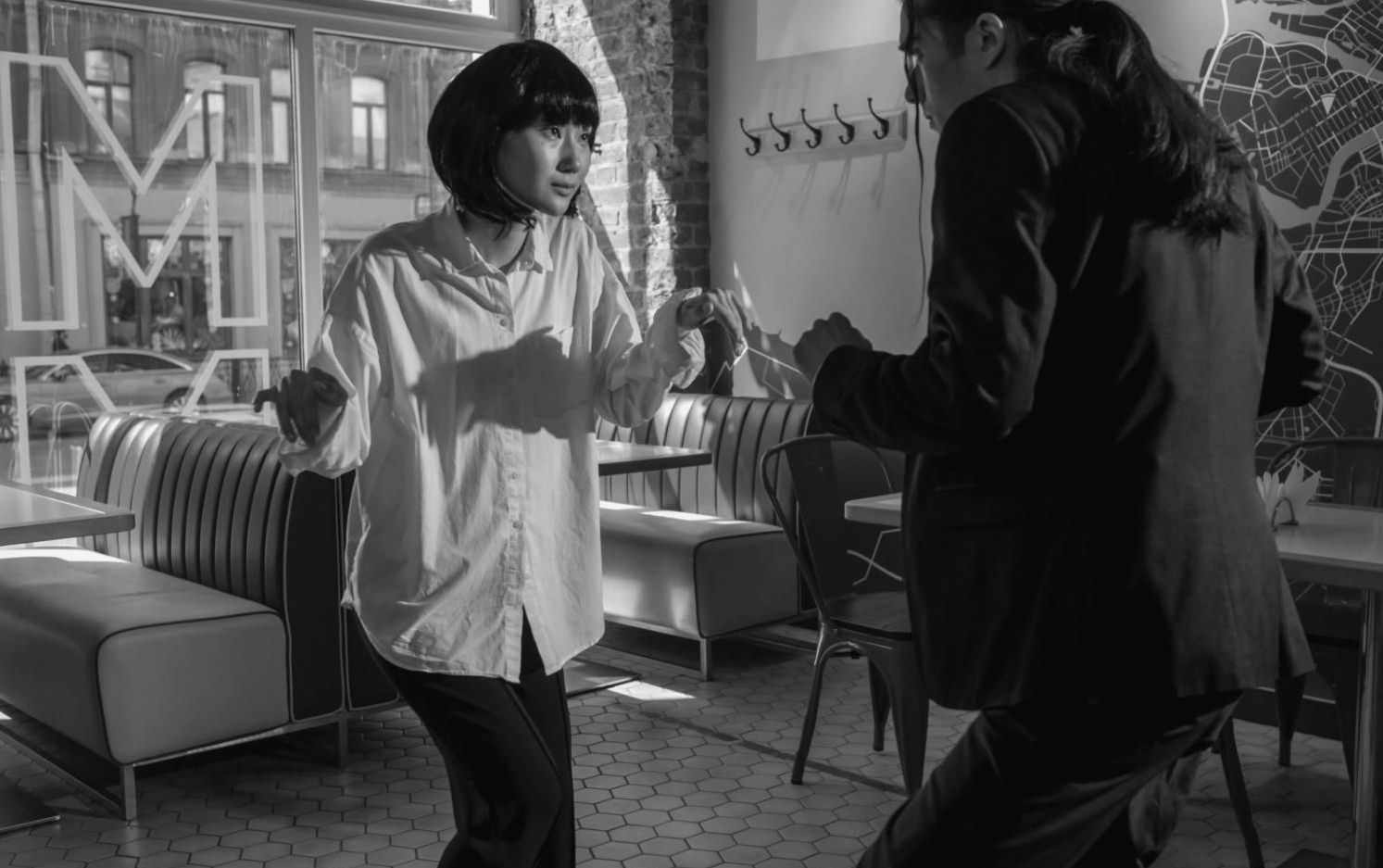
It’s funny—so many people, even those who’ve danced for years, will say confidently, “I know the routine,” when what they really mean is they remember the steps. But knowing the steps is just the beginning. There’s a huge difference between reciting choreography by memory and breathing life into it, especially in English where the rhythm and nuance of the language color every cue, every direction. I’ve lost count of how many times I’ve watched someone freeze when asked to explain their movement choices, or worse, struggle to adapt when a choreographer changes just one word in a direction. Understanding English choreography isn’t about translating moves; it’s about reading between the lines, catching subtle intent, and—maybe most importantly—having the confidence to ask, “What do you mean by ‘drift’ here?” when the answer isn’t obvious. Real-world dance isn’t a closed loop of memorized phrases; it’s alive, shifting, sometimes unpredictable. And in that unpredictability, only those who’ve really absorbed the language as it functions on the floor—who’ve learned to listen for nuance—can keep up without missing a beat. This approach, which we call “creativity,” isn’t just about stacking vocabulary or parroting phrases. It’s about fostering a kind of fluency that’s as much about instinct as it is about intellect. I’m thinking of a dancer I worked with last spring—she came in able to repeat every step, but in rehearsal, when the choreographer threw in a phrase like “let it melt,” she hesitated, unsure whether that meant to slow the tempo, soften the movement, or something else entirely. Over time, though, she started to internalize the way English choreographic language wraps around action, the way certain words signal more than just motion but mood. That’s the heart of what “creativity” means here: not just executing a sequence, but inhabiting it, making choices, adapting—sometimes improvising—when the music changes, or the director tosses out an unexpected cue. In real professional settings, those who get stuck at the surface-level, clinging to a literal translation, miss out on the deeper conversation happening in the room. But those who’ve gone further, who’ve learned to think and move in English, don’t just follow—they shape, they contribute, they create. Isn’t that, ultimately, what we’re all reaching for?

Week one, they throw you right into the basics—counting out 8s, figuring out your right from your left, sometimes before you’ve even stretched. It’s a bit of a scramble, honestly. And by the end of the week, you’re still not quite sure what a grapevine is, but you’re expected to do it in time with music that suddenly feels too fast. By week three, there’s this odd pause. The instructor stops introducing new steps and just keeps circling back to the same combination—the one with the triple step and pivot turn. Frustration kind of bubbles up in the room, but everyone’s feet are finally pointed in the same direction. Then, out of nowhere, week five accelerates again: floorwork, arm styling, syncopation—no warning. Like last year when Maria completely blanked during the mirror run-through, and we all just stood there, lost for a second.

Our Tuition and Pricing Plans

Everyone learns a bit differently—what works for one person might feel off for another. Maybe you're looking for a plan that gives you room to explore at your own pace, or maybe you want something focused and structured. In my experience, it really comes down to matching your goals with what’s on offer. Find the perfect balance of features and value in our offerings:
Empower Your Progress: What Awaits You

  • Elevated awareness of the impact of online education on communication skills

  • Enhanced ability to express ideas clearly in writing

  • Advanced utilization of online platforms for project-based learning

  • Improved community engagement in large online classes

  • Increased awareness of online learning strategies

  • Improved proficiency in utilizing gamification in online learning

Online Course Insights

Learning online at Melanont feels a bit like wandering through a library that never closes—except the books talk back, and sometimes, the “librarian” is actually a live instructor dropping by your virtual desk. There’s something oddly satisfying about clicking into a lesson at midnight, coffee in hand, and finding that the material isn’t just a wall of text, but rather a blend of videos, interactive exercises, and real-world scenarios that somehow make even the dullest theory stick—honestly, I’ve caught myself replaying a hands-on demo just to see if I missed a detail the first time. And when questions pop up (which, let’s face it, happens more often than I’d like to admit), reaching out to instructors feels less intimidating than in a traditional classroom—sometimes I’ll fire off a quick message during lunch, and by the evening I’ve got a detailed response, often with extra resources or a nudge to try a different approach. The discussion boards can be a mixed bag—sometimes quiet, sometimes bursting with heated debates or hilarious off-topic threads—but that’s part of the charm. What really stands out, though, is how Melanont encourages you to actually do stuff: assignments aren’t just busywork, but practical projects that mirror real-life situations, and feedback tends to be specific enough to spark those “aha” moments. Sure, there are days when motivation dips or the Wi-Fi acts up, but overall, learning here manages to feel both structured and surprisingly personal—like the platform actually wants you to succeed, not just click through to the finish line.

Gain new skills and confidence with online learning.

Try Now

Our Mission

  • Melanont

  • Excellence in learning isn’t something you just stumble upon—it’s crafted, shaped, and sometimes even danced into existence. Melanont has been quietly shaking up the way people approach dance choreography, building something that’s part roadmap, part discovery. You know, there’s something magical when a beginner suddenly finds their rhythm, or a seasoned dancer breaks through to a new style they never thought they’d dare attempt. Melanont’s whole approach is built around those moments. Instead of the same old ‘watch and repeat,’ they’ve pieced together guided learning paths that actually take you somewhere—whether that’s mastering contemporary moves or just learning to feel more at home in your body. I’ve heard from people who say they walked in unsure, maybe even a little embarrassed, and weeks later, they’re not just moving—they’re leading. The mission here is about unlocking confidence and artistry, not just nailing steps. There’s a real sense of progress, a feeling that you’re part of a story. One alum told me she felt like the structure pushed her in all the right ways, but still left room for actual creativity—“I never thought I’d choreograph anything, let alone perform it, until Melanont.” That’s the kind of thing you can’t fake. Another student, a guy who’d never set foot in a dance studio before, grinned and said, “Now, I don’t just follow—I create.” Those are the transformations that stick. If you ask around, it’s not just about what happens in the studio. The ripple effects are everywhere—students end up more confident at work, more expressive with friends, a little braver overall. Melanont isn’t just teaching dance; they’re reimagining what it means to learn, to grow, and to surprise yourself along the way. And honestly, isn’t that the best kind of education?
Leonie Online Skills Trainer

Leonie doesn’t just teach dance choreography—she sort of dissects it, getting right into the bones and sinews of each phrase. She’ll break down a sequence until every student feels the rhythm settling into their own bodies, often with a joke about “left feet mutiny” that puts everyone at ease. Melanont keeps coming back to how Leonie’s approach doesn’t just teach steps, but offers a way of thinking about movement that sticks, especially for adults who might be returning to the studio after years away. There’s this one story she tells about her first time completely blanking mid-performance—most educators might leave that in the past, but Leonie spins it into a lesson about recovery and improvisation, and suddenly nobody’s afraid of making mistakes. Her background? Years spent both on stage and in rehearsal rooms, yes, but also tucked away in cramped community centers, running workshops with whoever showed up—kids, retirees, the odd dog wandering through. If you walk into her class, you’ll notice she keeps the mirrors covered sometimes, claiming they’re “for the self-conscious, not the curious.” Students often leave talking about how she anticipated their roadblocks before they did—like some sort of choreography whisperer. She’s always texting in the breaks, too—turns out Leonie’s in this nimble network of working dancers and choreographers, catching whispers of new trends before they hit most syllabi. The music choices are never predictable, either. I remember once she played an old Nina Simone track for a modern jazz combo, and nobody complained. Her classroom can be messy, honestly—scuffed floors, one speaker always on the fritz—but there’s a feeling there that what you’re learning will matter outside those walls.

Contact Us Item

Get Our Details

Communication Details

  • Nik. Plastira 25, Kalamaria 551 32, Greece
  • +302310434292

Stay informed with the newest educational tips and helpful resources.